

ABOUT THE CPR TRAINING
Training Built Around People.
The CPR Training provides professional, hands-on CPR, first aid, and emergency response training designed to help people build the skills and confidence to respond when it matters.
Professional instruction. Personal approach. Real-world readiness.
OUR STORY
More Than Learning What to Do.
The CPR Training was built around a simple idea: life-saving skills should be taught in a way that people can understand, practice, and feel prepared to use.
Emergency situations don't happen in perfect conditions. They happen at work, at home, in schools, in public places, and in the middle of ordinary life. Training should prepare people for that reality.
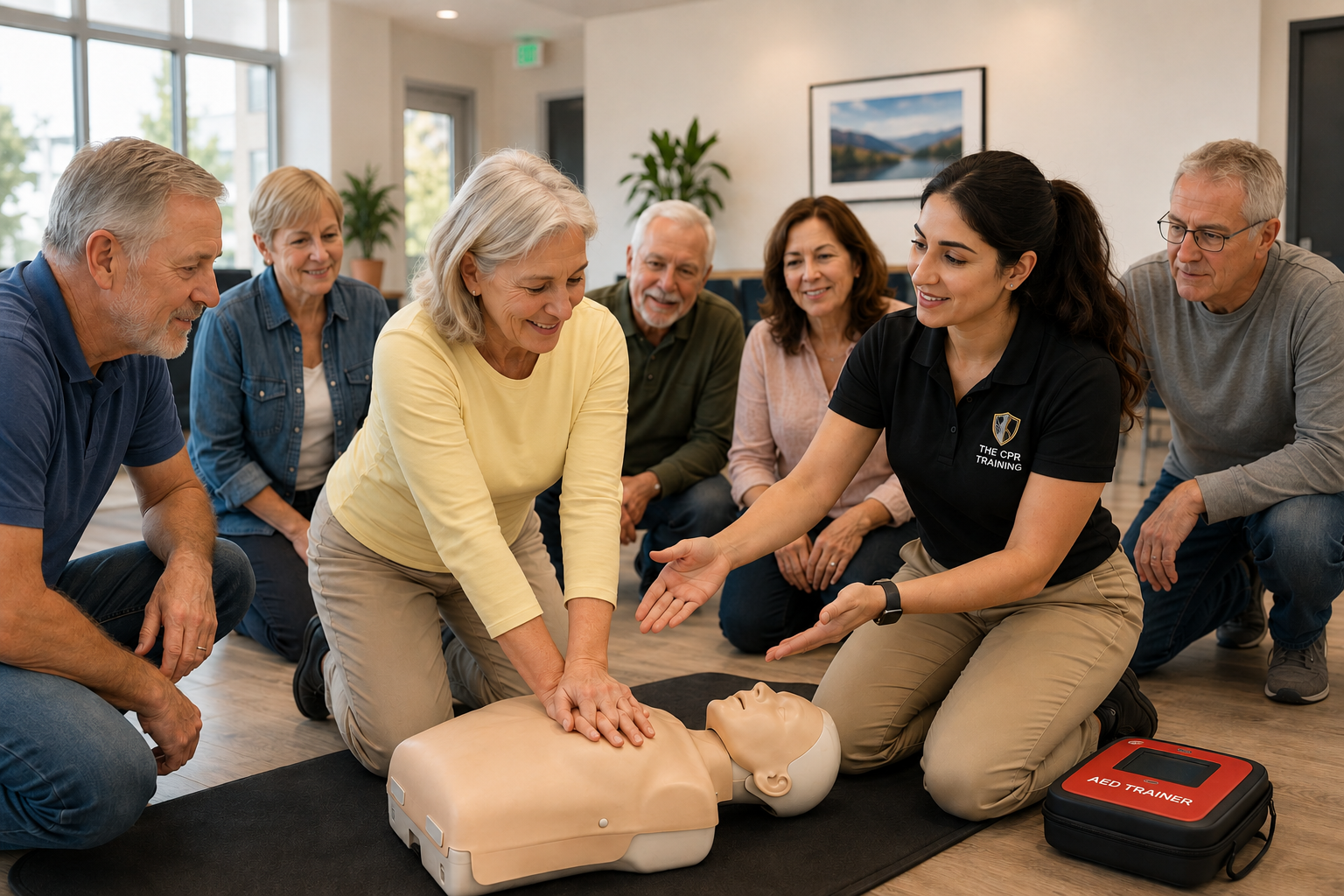
That's why our approach goes beyond simply presenting information. We focus on hands-on learning, clear instruction, and an environment where questions are encouraged and students have the opportunity to practice the skills they are learning.
Whether someone is training for a professional requirement or learning how to better protect the people around them, our goal remains the same: provide practical training that helps people leave more capable, more prepared, and more confident than when they arrived.
The skill matters. So does the way it's taught.
EXPERIENCE THAT MATTERS
Real-World Perspective. Practical Instruction.
Effective training is about more than knowing the material. It requires understanding how people learn, how emergencies unfold, and how to turn technical information into skills someone can actually use.
REAL-WORLD FOUNDATION
Experience Beyond the Classroom
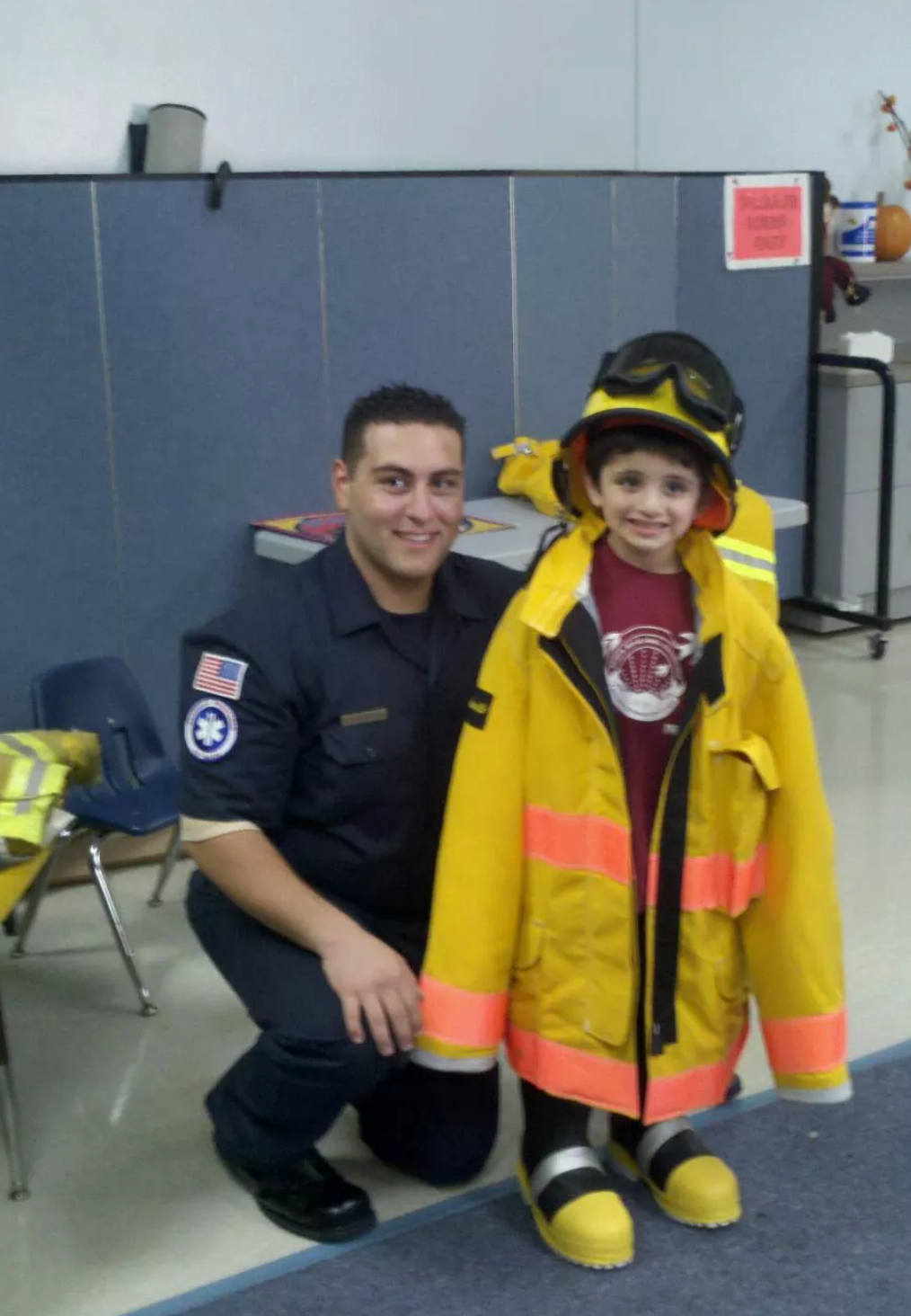
Our approach is informed by experience in emergency response, healthcare, and public safety environments where preparation, communication, and sound decisions matter.
HANDS-ON LEARNING
Skills Are Built Through Practice
Students need the opportunity to do more than watch. Training emphasizes participation and guided practice so important skills become more familiar and easier to recall.
CLEAR INSTRUCTION
Professional Without the Intimidation
Technical material should still make sense to the person learning it. We explain skills clearly, encourage questions, and create room for students to learn without unnecessary pressure.
REAL-WORLD READINESS
Prepared for More Than the Course
Certification may be the requirement, but readiness is the larger goal. Training is designed to help students understand what they are doing, why it matters, and how to respond when circumstances are less than perfect.
We don't teach for the end of the class. We teach for what may happen after it.
WHO WE SERVE
Training for the People Who Need It.
Life-saving skills belong in more places than a hospital or ambulance. They matter anywhere people live, work, learn, gather, and care for one another.
The CPR Training works with individuals, families, healthcare professionals, workplaces, schools, community organizations, and teams with different responsibilities and different reasons for learning.
Some students come to us because certification is required for their profession. Others want their workplace better prepared. Some simply want to know what to do if someone they care about needs help.
The reason for training may be different, but the objective is the same: make high-quality instruction practical, approachable, and relevant to the people in the room.
Different people. Different needs. One standard of training.
Individuals & Families
Practical skills for people who want to be better prepared at home and in everyday life.
Healthcare Professionals
Certification and skills training for professionals whose work requires emergency readiness.
Workplaces & Teams
Training that helps organizations build a more prepared and capable workforce.
Schools & Communities
Accessible education that helps extend emergency preparedness beyond traditional professional settings.
COMMUNITY & EDUCATION
Prepared Communities Start with Education.
Emergency preparedness shouldn't belong only to people who need a certification for work. The more people who understand how to recognize an emergency and respond, the stronger and more prepared a community becomes.
That's why education has always been an important part of what we do. CPR, first aid, and emergency response skills can have value in workplaces and healthcare settings, but they also belong in schools, homes, organizations, and the communities around us.
Introducing people to these skills helps remove some of the uncertainty surrounding emergencies. It gives students an opportunity to understand what response looks like, why early action matters, and how ordinary people can play an important role before professional help arrives.
EDUCATION
Make the Skills Understandable.
Clear instruction helps people understand what is happening, what matters most, and what they may be able to do in an emergency.
ACCESS
Bring Training to More People.
Preparedness becomes more meaningful when practical emergency education reaches beyond traditional professional environments.
CONFIDENCE
Help People Feel Ready to Respond.
Knowledge and hands-on practice can help turn uncertainty into a clearer understanding of what to do when someone needs help.
Preparedness doesn't begin when an emergency happens. It begins before one ever does.