

Basic Life Support (BLS)
Hands-on BLS certification training covering CPR, AED, and choking response for adults, children, and infants.
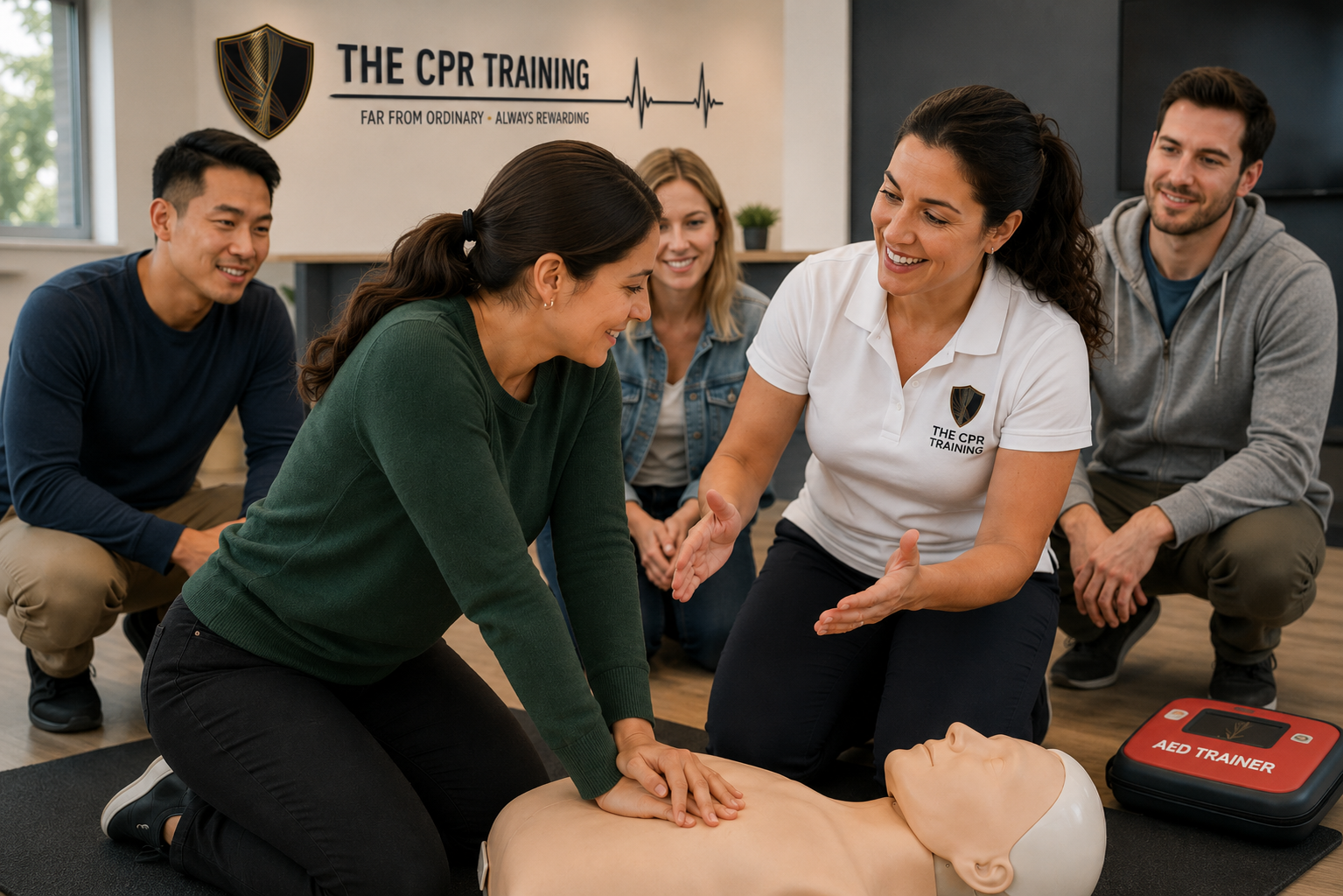
Skills for the Moments That Matter.
BLS training goes beyond knowing what to do. You’ll practice how to respond when immediate action is needed.
Instructor-led training combines individual skills with coordinated response, giving you the opportunity to practice the techniques used during cardiac and choking emergencies.
What You'll Learn in BLS Training
Develop the core skills used in Basic Life Support, from high-quality CPR and AED use to choking response and coordinated team care.
Deliver High-Quality CPR
Practice CPR techniques for adults, children, and infants, with emphasis on effective compressions and appropriate response.
Integrate an AED Into CPR
Practice using an AED as part of a coordinated cardiac emergency response while continuing high-quality CPR.
Work Effectively as a Resuscitation Team
Practice communication, role awareness, and coordinated multi-rescuer response during a simulated emergency.
Respond to Choking Emergencies
Recognize choking and practice the appropriate response for adults, children, and infants.
BLS for Those Who Need to Be Ready.
BLS training is designed for healthcare professionals and others who need CPR, AED, choking response, and team-based resuscitation skills for their work, education, or training requirements.
For Healthcare Professionals
BLS training for healthcare professionals and others working in clinical or patient-care environments.
For Workplace Requirements
Complete BLS training when your employer, profession, or organization requires BLS certification.
For Students & Clinical Programs
BLS certification for students completing healthcare programs, clinical placements, professional training, or required coursework.
For Those Who Want BLS Training
You don’t need an employer or school requirement to take BLS. Individuals who want this level of training are welcome to participate.